Asia's Most Loved Brand
- Pencil Case | 22foramoment.wixsite.com/every-day

- Jul 24, 2021
- 2 min read
Updated: Dec 15, 2021
If you live in Southeast Asia and enjoy a bowl of noodles, chances are that you would be familiar with this larger-than-life iconic rooster-designed bowl.
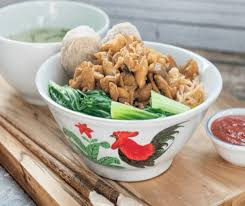
I, for one, have known it ever since my memory can take me.
I remember as a child the unique feel of its china, which strikingly seemed to feel much thicker than other types of bowls - quick brushstrokes of the drawings, not too intricate yet assumes a you-know-who-I-am-look of the rooster, with vivid red, black and green colours - which somehow seemed to help work out an appetite.
And I remember as a child wondering, if all noodle sellers had a pact among themselves - that noodles must go with THAT bowl?
I never asked anyone.
Until last week.
This enigmatic bowl suddenly came to mind. And so I decided to look up the origins of our old friend - the rooster.
Turns out, history has it that the rooster bowl isn't slightly older than my grandma (who was born in 1910) as I had initially suspected - but waaay older.
A few centuries older. As in, the fifteenth century.

Fifteenth century China
These chicken cups were created for the Imperial palace during the reign of Emperor Chenghua (1465-1487) of the Ming Dynasty in Jiang Xi province, well known for their superior porcelain works as the primary supplier to the Imperial court. Each cup was decorated with a rooster, hens tending their chicks, peonies and lilies. The chickens symbolised core Chinese values of raising a family and nurturing the young, while the peonies symbolise prosperity.
By the end of the Qing Dynasty, the chicken bowls began to be mass produced, evolving from their original delicate cups into slightly larger, practical-sized bowls. The beginning of the 20th. century saw these attractive coloured bowls initially from Guangdong province, travel overseas through trading ships to Singapore, Thailand, Vietnam, Malaysia and Indonesia.

Down to earth
To many of us in Southeast Asia these traditional chicken bowls are a familiar sight – used by noodle hawkers, restaurants to paddling porridge vendors. And along with that familiarity is a feeling of tradition, warmth, childhood and nostalgia attached to the goodness of the food, and a feeling of home.
With the passing of time, entrepreneurs have been quick to pick up those irreplaceable, rare and invaluable sentiments associated with these enigmatic chicken bowls, creatively replicating the designs on to a range of practical, fashionable or simply kawaii (lovable) items.


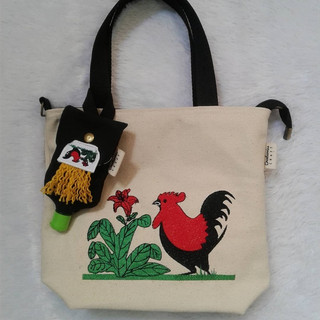
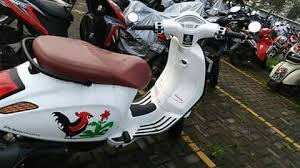


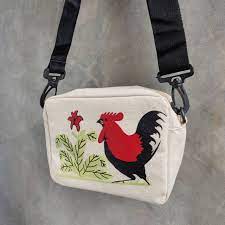
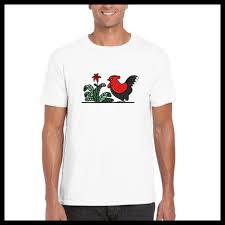
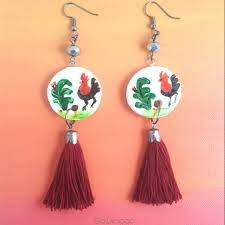
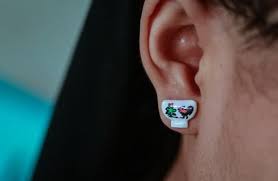
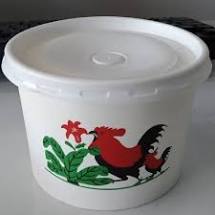
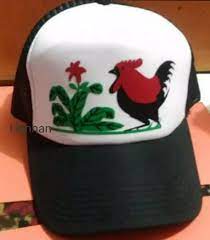

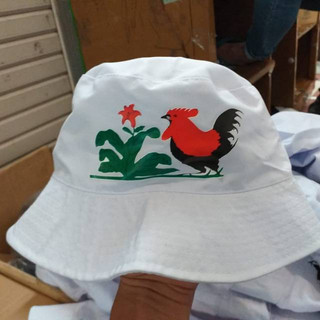
And even selected as a Super app's landing page (below):

In 2014 a "Chenghua chicken cup" was sold at a record $36m at the Hong Kong Sotheby auction. To date (2021) only 16 Chenghua cups are still in existence.
Well, be it earrings or a million-dollar art piece that catches your fancy, it may seem that the sustainability of the rooster bowl’s charm is likely attributed to the universal desire for family warmth, longing for home sentiment, and fond childhood memories associated with it.
And for brands out there looking to build brand equity that lasts for centuries, it might not be such a bad idea to pick up a lesson or two our humble rooster friend here.


Comments